
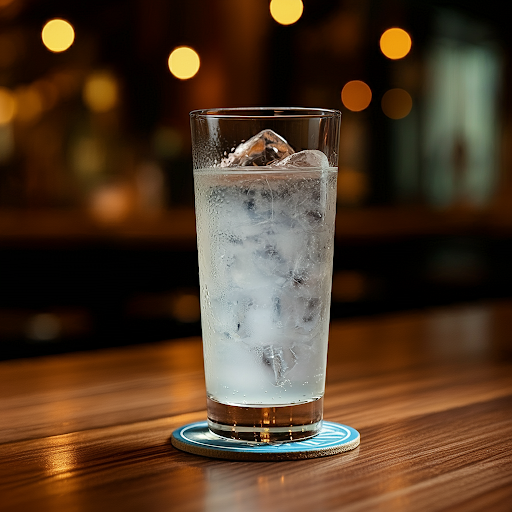
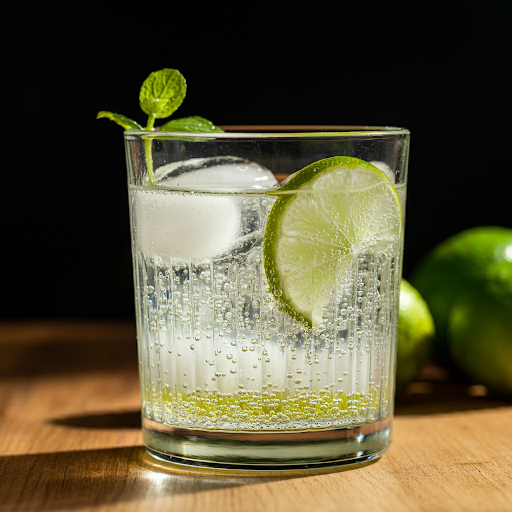
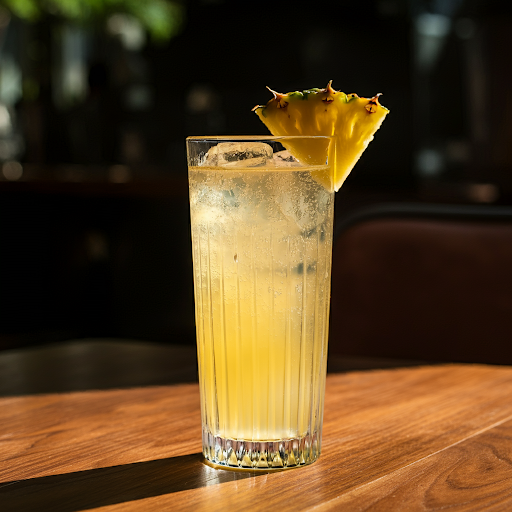
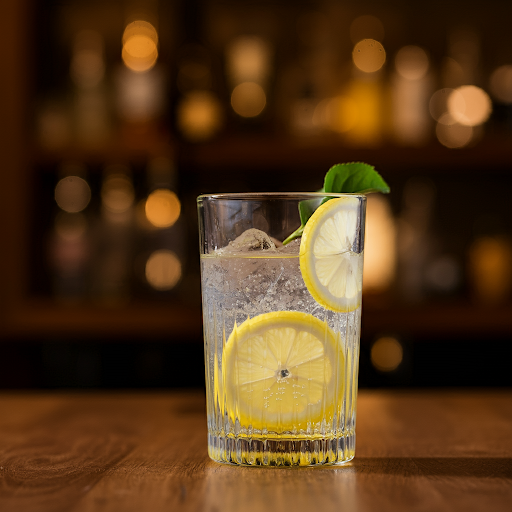
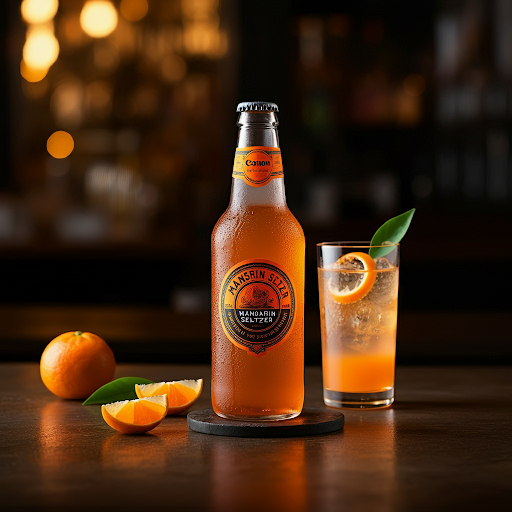

What is a Hard Seltzer we hear you say? Hard seltzer’s popularity is a message from the drinkers to us all signalling demand for beverages that are lighter on the palate, skinnier on the calories, and less challenging to consume than big-bodied, highly flavourful, calorically rich beers.
Strip away the peripherals, and what is left is a simple cocktail something like a vodka tonic. Can I brew one for my friends and pop the base on the Kegerator and mix in some post mix syrups to make a rainbow of colours and flavours? Or can I brew a neutral hard seltzer base then fruit and flavour post fermentation? Yes, You can!
Here, we are giving you a neutral Hard Seltzer base recipe from which the sky is the limit and some 20g additions of most popular BeerCo Blavours (Flavours). We even throw in some simple suggestions to create your own naturally fruited Lemon and Lime Hard Seltzers if you like!
#brewhappy #drinkhappier #enjoyresponsibly
Swing | Hard Seltzer Neutral Base Recipe | Brewfather
Vital Stats:
Batch & Fermentation:
- Batch Size: 19 Litres / 5.0 US Gallons
- Fermentation time: 1 week
- Carbonation Time: 2 weeks
- Standard 4% ABV Hard Seltzer Recipe
- OG: 1.029
- FG: 0.998
-
Calories per serving: 90 (estimated)
Properties:
Standard 4% ABV Hard Seltzer Recipe
Calories per serving: 90 (estimated)
Neutral Base Ingredients:
Amount |
Name |
|
|
19 Litres |
Water (ideally reverse osmosis (RO) or distilled water) |
|
|
1.60 Kg |
||
|
5g |
||
|
14g |
||
|
130g |
||
|
130g |
||
Method:
- Fill your Kettle with 15 Litres of RO or distilled or filtered water.
- Add the Dextrose and 5g of Calcium Sulphate Gypsum (adjusts calcium concentration to 50 ppm) and stir until dissolved. Add water to top up to 19 L.
- Check the density with a hydrometer it should read 1.029 SG.
- Bring the sugar solution to a boil and boil gently for 5 minutes (this should not boil off a significant volume of water).
- Sanitise your fermenter, yeast packet and other equipment while the sugar water solution cools.
- Cool the sugar solution, aerate the mixture, and transfer to your fermenter. Pitch the yeast and yeast nutrients and Turbo Carbon.
- Ferment at 20-25°C for a week and take daily hydrometer reading. FG should be reached by day 3 and the rest of the week will be for maturation.
- As the fermentation nears its conclusion, you may want to swirl the fermenter gently for a few times each day or allow the temperature to rise slightly. Do not exceed the yeast strain’s recommended working temperature range.
- After fermentation, it is strongly advised you fine with Turbo Clear according to the instructions on the packets.
- After clarification, transfer the solution to a bottling bucket or a keg while being careful not to transfer any of the sediment at the bottom.
- Add your choice of flavouring, citric acid (if needed), and sucrose for back sweetening. If your back sweetening or flavouring with juice and/or sugar be sure to knock out the yeast by adding 4 x Campden Tablets (sold separately) or potassium sorbate to prevent fermentation of the sweetening sugar
- After those are dissolved, rack to a keg, Add your Blavour and carbonate to 2.8 volumes of CO2.
- You may also carbonate the beverage to normal beer levels, so you do not need to balance your draught system.
- If bottling, do not add the sugar for back sweetening Campden Tablets (sold separately) and potassium sorbate. Use heavy gauge bottles, such as those in which Champagne or Sour Beers are packaged. Again add your Blavour while racking into your bottling bucket and stir to mix thoroughly.
- Follow typical procedure for bottling or kegging and enjoy your refreshing seltzer two weeks later!
- Sulphur off-flavours are common with hard seltzers. Carbon dioxide bubbling can be used to strip these unpleasant rotten-egg and burnt-match aromas from hard seltzer.
- Just be sure to vent the keg during bubbling to allow these volatiles to escape.
- Nutrient adjustments and/or yeast strain selection on future batches can be made to help dial in the process. The trial-and-error nature of this process is the primary reason that many commercial seltzer producers select a yeast/nutrient blend designed for these intentionally bland bases.
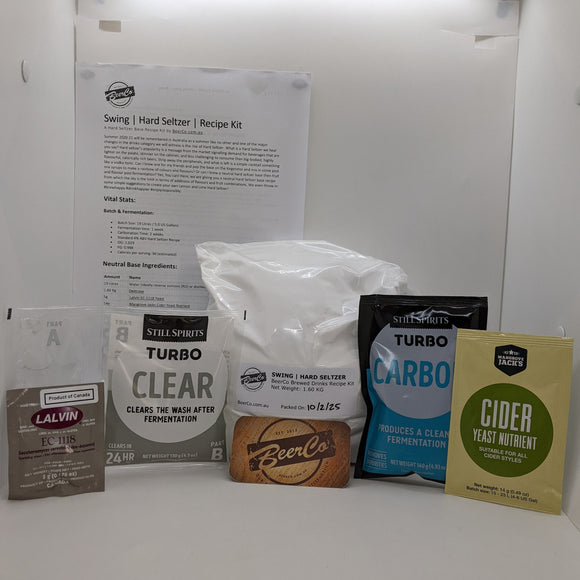
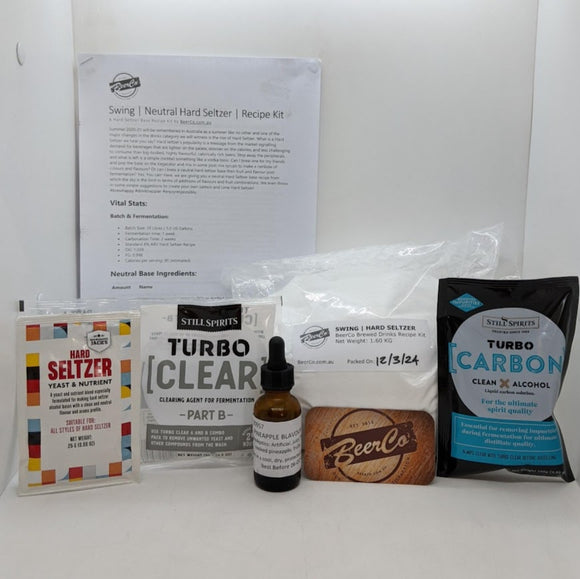
BeerCo Swing Neutral Hard Seltzer Base Recipe Kit Contents:
- Dextrose – 1.60 Kg
- Lalvin EC-1118 Yeast – 5g
-
Mangrove Jacks Cider Yeast Nutrient – 14g
- Still Spirits Turbo Clear – 130g
- Still Spirits Turbo Carbon -130g
- BeerCo Blavour - 20g
Optional Extras: (Sold Separately)
- 5 g Calcium Sulphate Gypsum (adjusts calcium concentration to 50 ppm)
- 14 g Citric Acid powder after CO2 bubbling (if used) and carbonation
- 4 x Campden Tablets
- 20g BeerCo Blavour or BeerCo Vlavour (where available) of your choosing dose just prior to kegging or bottling (Included when selecting Blavour Swing kit)
Sauces of Brewspiration and places to go to sauce some flavours and further reading on How to Make Hard Seltzer at Home easy peasy:
- AHA | How to Make Hard Seltzer at Home
- BYO | Hard Seltzer Made Easy
- Bickford's Traditional Cordials
- Woolworths Lemon and Lime Juice 250mL
- Coles Lime Juice 250mL Coles Lemon Juice 250mL
What's in the box:
| SKU | Title | Category | Quantity |
|---|---|---|---|
| DEXTRO9800 | Dextrose Monohydrate | Brewing Sugar | Fermentable | 1 |
| YEC5G | LALVIN EC-1118 Yeast | Yeast | 1 |
| 10868 | Mangrove Jack's | Cider Yeast Nutrient | 14g | Aid | 1 |
| 50140 | Still Spirits | Turbo Clear | Aid | 1 |
| 50163 | Still Spirits | Turbo Carbon | Aid | 1 |
*Indicates items included only with specific variants.