

Hopping into the Craft Gin Market - How to Guide for Craft Brewers & Distillers
Hopping into the Craft Gin Market - a How to Guide for Craft Brewers to Distillers Is your brewery floor ready for a copper upgrade? As the Australian craft landscape evolves, the 500L still has emerged as the industry's "Goldilocks" workhorse—the perfect balance of craft soul and commercial scale. To celebrate this move from hops to juniper, we’ve published the complete production guide for our "Mary" Signature London Dry Gin. In this deep dive, we break down: The 51g Rule: Why a high botanical load is the secret to a gin that doesn't "thin out" in a G&T. The Secret Ingredient: How Licorice Root transforms a standard dry gin into a velvety, "Double Gold" winning spirit. The Pro Protocol: Technical guidance on using Manildra NGS, mastering the 15-hour maceration, and the critical RO Water dilution method for a crystal-clear 45% ABV finish. Whether you're running an industry-standard rig or curious about our new "Mary" Home Distiller Kit, this is your roadmap from "Mother's Ruin" to modern craft excellence.

How to premix a Hard Orange RTD like a Pro!
🍊 THE 4.5% ABV ZEST: UNLOCK THE HARD ORANGE RTD FORMULA! Ready to take on the market leaders like Hard Rated and Beenleigh? Our Pro Formulation Guide reveals the commercial secrets to crafting a perfect Hard Orange RTD. Learn how to hit the sweet spot of 10 Brix sweetness and the standard 4.5% ABV, using a flavour-forward blend of real orange juice concentrate and zesty flavourings. Stop guessing and start premixing like a pro!

You Squeal I Squeal We all Squeal for Squealers and Growlers
Rediscover the sustainable and cost-effective tradition of filling your own beer! This blog post champions the revival of "Squealers" (946mL) and "Growlers" (2L) at craft breweries, drawing parallels to New Zealand's environmentally conscious "FYO" culture. Learn why choosing these refillable options is not only better for the planet by reducing waste and energy consumption, but also provides drinkers with the freshest draught beer and directly supports the profitability of local craft brewers by cutting down on packaging costs, excise tax, and CDS burdens. It's a win-win for beer lovers, the environment, and the brewing industry – time to put down the six-pack and FYO!
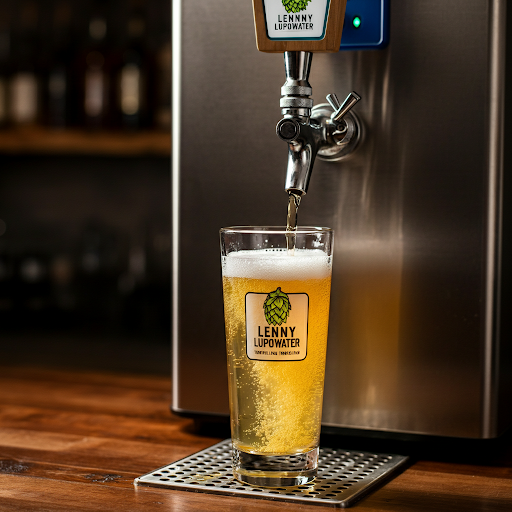
Get Hoppy, Get Hydrated: The Craft Brewer's Guide to Hop Water Nirvana
Hop water is emerging as a promising non-alcoholic beverage in the US and Australia, perfectly positioned for health-conscious drinkers and those embracing "no-lo" trends. This simple yet delicious concoction of hops and water offers a guilt-free, hydrating alternative with zero sugar, calories, and hangovers. 1 While US sales show significant growth, particularly during "Dry January," anecdotal evidence points to a similar upward trajectory in Australia, with craft brewers and startups alike entering the market. For Aussie craft brewers looking to tap into this growing demand, producing hop water is a relatively straightforward process, requiring attention to water quality, pH balance (ideally below 4.6), and pasteurization. Experimentation with hop varieties and addition methods (like cool dry hopping or a two-step hot steep) is key to achieving desired flavors, and brewers can further enhance their hop waters with natural citrus flavors or other botanicals. 2 High carbonation is crucial for the final product, and while it's not beer, treating it with a "food and beverage approach" focusing on clean flavors is recommended. Offering hop water on tap can be a great way to gauge customer preferences and capture a broader market.